
Blog
Are You a Candidate for SoftWave Therapy? Who It Can and Cannot Help, with Dr. 808 in Maui
Are You a Candidate for SoftWave Therapy? An Honest Look with Dr. 808 in Maui
If you have been living with stubborn pain on Maui, you have probably heard about SoftWave therapy and wondered a simple question: would it actually work for me? It is a fair thing to ask. No single treatment is right for every person or every problem, and any provider who says otherwise is not being straight with you. At Shockwave Maui in Kihei, Dr. Caleb J. Craig, known around the island as Dr. 808, believes the honest answer matters more than a hard sell. This article walks through who tends to be a good fit for SoftWave TRT, who may need to be evaluated more carefully first, and why a consultation is the only way to know for sure.
Request an Appointment at Shockwave Maui
What SoftWave Therapy Actually Is
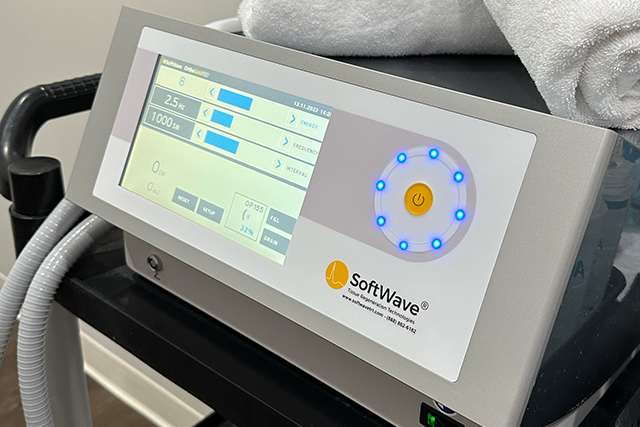
SoftWave TRT (Tissue Regeneration Technology) uses electrohydraulic, spark-generated acoustic waves delivered through a patented parabolic reflector. That design produces broad-focused shockwaves, which sets it apart from radial, electromagnetic, and piezoelectric devices. The waves travel deep into tissue and are designed to trigger the body's own healing cascade rather than simply masking a symptom.
In plain language, SoftWave is intended to encourage several natural processes. These include the activation and migration of the body's resident stem cells, angiogenesis (the growth of new blood vessels that improves circulation), cell proliferation and collagen production, a calming influence on inflammation, and the clearance of damaged or worn-out cells. The experience itself is non-invasive: no needles, no drugs, no surgery, and no downtime. Sessions run roughly 10 to 15 minutes, a typical plan spans about 6 to 8 weeks, and the healing response often continues for weeks to months after your final visit.
Who Tends to Be a Good Candidate
SoftWave therapy is most often a strong option for people dealing with lingering musculoskeletal pain that has not responded well to rest, over-the-counter approaches, or time. Many of the patients who do well share a few things in common.
Chronic Musculoskeletal Pain
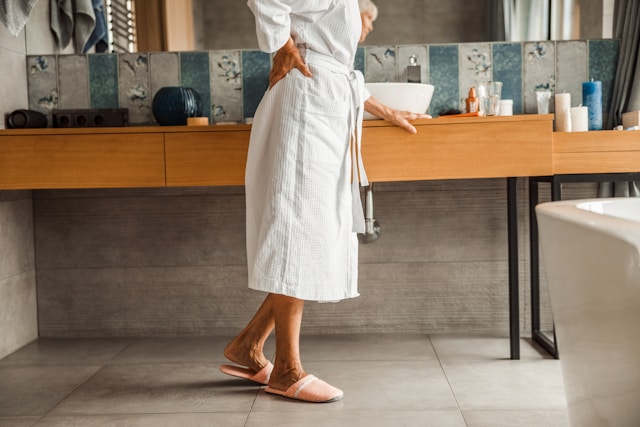
If you have had aching or limited movement in a joint, muscle, or soft tissue for months rather than days, you may be exactly the kind of person SoftWave is designed to support. Chronic pain often means the local healing process has stalled, and SoftWave aims to reawaken that response.
Tendon and Joint Problems
Tendons and the tissue around joints are notoriously slow to heal because they receive relatively little blood flow. That is one reason nagging tendon and joint complaints can drag on for so long. Because SoftWave is designed to promote circulation and connective tissue activation, many patients with these stubborn areas find it worth exploring.
People Who Want to Avoid Surgery or Injections
A large share of the people who walk into Shockwave Maui are simply looking for another path before committing to a surgical procedure or a series of injections. SoftWave will not be the right answer for every case, but for people who want a conservative, non-invasive option to try first, it is a reasonable place to start the conversation. Many patients report that they appreciate having something to attempt before more aggressive measures.
Active People and Weekend Warriors
Maui is an active place. Whether you paddle, hike, or play pickleball a few mornings a week, wear and tear is part of the deal. People who want to stay moving and recover from the demands they put on their bodies often find SoftWave a good fit.
How SoftWave Therapy Helps the Right Candidate
When you are a good fit, the goal of SoftWave is to help your body do what it already knows how to do, only more effectively. Here is what the therapy is designed to support:
- Better circulation: a temporary increase in blood flow to the treated area, which brings the raw materials healing requires.
- Stem cell activation: encouraging your own resident stem cells to wake up and migrate toward the tissue that needs them.
- Collagen and tissue building: supporting cell proliferation and collagen production that help rebuild strained or worn structures.
- Calmer inflammation: helping to modulate the inflammatory signals that keep an area irritated.
- Cellular cleanup: assisting the clearance of damaged and senescent cells so healthier tissue has room to form.
None of this happens overnight, and no responsible provider will promise a cure. What SoftWave offers is a non-invasive way to support the natural repair process over a series of sessions.
Who May Not Be an Ideal Candidate, or Should Be Evaluated First
Being honest about the limits of a therapy is part of good care. SoftWave is well tolerated by most people, but there are situations where a provider will want to slow down, look closer, or recommend a different approach. This is not meant to alarm you. It is simply how a careful evaluation works.
Certain Health Situations Warrant Extra Care
A provider will typically want to assess a few specific circumstances before treating an area with SoftWave. These commonly include:
- Pregnancy: as a general precaution, shockwave-based therapy is usually avoided during pregnancy, and your provider will discuss timing.
- Active cancer in the treatment area: if there is a known tumor or active malignancy in the region, that area is generally not treated, and coordination with your medical team comes first.
- Blood-clotting concerns or blood thinners: if you have a bleeding or clotting disorder, or take anticoagulant medication, your provider will want to review that before proceeding.
- Infection, open wounds, or recent nerve or tissue injury in the area: these may need to be addressed or healed first.
- Certain implanted devices: your provider will ask about pacemakers or other hardware near the intended treatment site.
None of these automatically mean SoftWave is off the table forever. In many cases they simply mean the situation needs to be reviewed, timed differently, or cleared with your other doctors. The point is that your provider will assess this with you rather than guessing.
When the Real Problem Is Something Else
Sometimes pain has a cause that a different specialty should address first. If your symptoms point to a problem that needs imaging, a referral, or medical management, a responsible provider will tell you that plainly instead of starting a therapy that is not suited to the underlying issue. SoftWave is a tool, not a substitute for proper diagnosis, and it does not replace the advice of your physician.
If you are wondering whether your particular situation is a fit, the most useful next step is a conversation, not a search engine. Schedule your consultation with Dr. 808 at Shockwave Maui and get an honest read on your options.
Why a Consultation Is the Only Real Answer
Every article, including this one, can only speak in generalities. Your body, your history, and your goals are specific. A consultation at Shockwave Maui gives Dr. 808 the chance to understand what has been bothering you, review your health background, examine the area, and tell you honestly whether SoftWave is likely to help, whether it should wait, or whether a different path makes more sense.
That kind of candor is the whole point. You deserve a recommendation built around your situation, not a one-size-fits-all promise. If SoftWave is a good fit, you will leave with a clear plan. If it is not, you will leave knowing that too.
Ready to Take the Next Step?
The simplest way to find out if SoftWave therapy is right for you is to ask the provider who can examine you. Reach out to Dr. 808 in Kihei for a straightforward conversation about your pain and your options.
Request your SoftWave Therapy new patient visit online today
Contact Shockwave Maui
Shockwave Maui
2395 S Kihei Rd #202
Kihei, HI 96753
Phone: (808) 875-4357
Our Main Office Website: https://southmauichiropractic.biz/
‹ Back




 2395 S Kihei Rd #202, Kihei