
Blog
Hip Bursitis Relief in Maui: How SoftWave Therapy Calms Greater Trochanteric Pain with Dr. 808
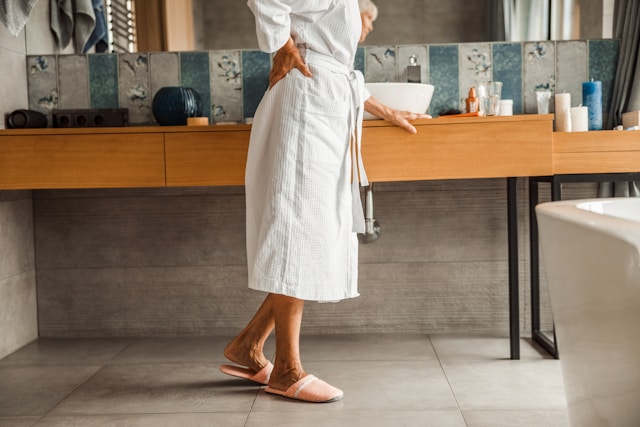
Nagging Lateral Hip Pain in Maui? There Is a Path to Real Relief
If you live an active island life in Kihei and the outside of your hip has started to ache every time you climb stairs, roll onto your side at night, or stand up after a long drive, you are dealing with a very common and very frustrating problem. Lateral hip pain, often labeled hip bursitis or greater trochanteric pain syndrome, has a way of settling in and refusing to leave. It can interrupt your sleep, cut your beach walks short, and make simple movements feel risky. At Shockwave Maui, Dr. Caleb J. Craig, known around the island as Dr. 808, helps South Maui residents address this stubborn pain at its source using SoftWave Tissue Regeneration Therapy, a non-invasive option that supports the tendons and tissues around the hip without drugs, needles, or surgery.
Request an Appointment at Shockwave Maui
What Is Greater Trochanteric Pain Syndrome?
The greater trochanter is the bony bump on the outer side of your upper thigh. You can feel it if you press into the widest part of your hip. Around that bump sit several important structures: fluid-filled sacs called bursae that reduce friction, and the tendons of the gluteal muscles that attach nearby and help stabilize your pelvis when you walk and stand.
For years, pain in this area was almost always called trochanteric bursitis, based on the idea that an inflamed bursa was the main culprit. That name still gets used, and bursa irritation can certainly be part of the picture. Modern understanding, however, points to something broader. Researchers and clinicians now group these problems under the term greater trochanteric pain syndrome, and in many cases the real driver is gluteal tendinopathy, meaning wear, degeneration, or irritation of the gluteus medius and gluteus minimus tendons where they attach to the bone. The bursa may be inflamed as a secondary response, but the tendon is often where the trouble truly lives.
How It Usually Feels
Lateral hip pain from this syndrome tends to have a recognizable pattern. Many patients describe:
- A deep, aching, or burning pain on the outer side of the hip.
- Sharp pain when lying on the affected side, which frequently disrupts sleep.
- Discomfort climbing stairs, getting out of a car, or rising from a low chair.
- Pain that flares after walking, standing on one leg, or crossing the legs.
- Tenderness when pressing directly on the bony point of the hip.
Because the pain sits on the side rather than deep in the groin, it is usually distinct from arthritis of the hip joint itself.
Why Does Hip Bursitis Develop?
This kind of lateral hip pain rarely appears out of nowhere. It typically builds from a combination of load and mechanics that stress the gluteal tendons over time. Common contributing factors include:
- Repetitive strain: long walks, hiking Maui's trails, running, or a sudden increase in activity can overload the tendons faster than they adapt.
- Weak or deconditioned hip muscles: when the gluteal muscles cannot stabilize the pelvis well, the tendons take on excess strain.
- Prolonged pressure: sleeping on a firm surface on the same side night after night can compress the tendons against the bone.
- Biomechanical factors: differences in leg length, gait patterns, or the way you stand can concentrate stress on one hip.
- Age-related tendon changes: tendons naturally lose some resilience over time, which is why this syndrome is especially common in adults over forty and appears more often in women.
Why Lateral Hip Pain Lingers So Long
One of the most discouraging things about greater trochanteric pain syndrome is how long it can hang around. There are real reasons for that. Tendons have a relatively poor blood supply compared with muscle, so they receive fewer of the nutrients and repair signals needed for healing. Once a tendon becomes degenerative rather than simply inflamed, ordinary rest and anti-inflammatory measures often fall short, because the underlying problem is not just swelling but disorganized, weakened tissue.
On top of that, daily life keeps loading the area. Every step, every stair, and every night spent lying on the hip can re-irritate tissue that is trying to recover. This is why many patients cycle through months of temporary fixes, feeling better for a while and then flaring again. Addressing the tendon environment itself, rather than only quieting the symptoms, is often what finally moves the needle.
How SoftWave Therapy Helps Calm the Hip
SoftWave Tissue Regeneration Therapy takes a different approach than medication or repeated cortisone shots. It uses electrohydraulic, spark-generated broad-focused acoustic waves delivered through a patented parabolic reflector. This makes it the only broad-focused shockwave technology, distinct from radial, electromagnetic, and piezoelectric devices. Those broad waves spread energy across a wider treatment zone and penetrate deep enough to reach the tendon and tissue layers around the greater trochanter, where lateral hip pain often originates.
Rather than masking pain, SoftWave is designed to prompt the body's own repair response. In plain language, the therapy is intended to support healing by encouraging:
- Activation and migration of the body's resident stem cells toward the treated area.
- Angiogenesis, the growth of new blood vessels, which may improve circulation to tendons that normally receive limited blood flow.
- Cell proliferation and collagen production to support stronger, better-organized tissue.
- Modulation of inflammation around the bursa and tendon attachments.
- Clearance of damaged or worn-out cells so healthier tissue has room to develop.
For a condition rooted in gluteal tendinopathy, that focus on the tendon environment is meaningful. By supporting circulation and the natural repair cascade in an area that struggles to heal on its own, SoftWave aims to address why the pain lingers rather than only how it feels today.
What to Expect During Care
SoftWave sessions are straightforward and comfortable for most people. Each visit is non-invasive, with no needles, no drugs, no surgery, and no downtime afterward. A typical session runs about ten to fifteen minutes, and most patients complete a series spread over roughly six to eight weeks. Because the therapy works by stimulating your body's own healing processes, improvement can continue for weeks to months after your final session as the tissue keeps responding.
Dr. 808 will evaluate your hip, review how your pain behaves during the movements that bother you most, and tailor a plan to your situation. In many cases, SoftWave is paired with guidance on activity and hip stability so the tendons are supported as they recover.
If lateral hip pain has been stealing your sleep and shortening your walks along the Kihei coastline, this is a good moment to explore a non-invasive option. Schedule your SoftWave consultation at Shockwave Maui and take the first step toward a calmer, more stable hip.
A Drug-Free Option Worth Considering
Many people with greater trochanteric pain syndrome want relief without leaning on long-term pain medication or repeated injections. SoftWave offers a supportive, drug-free path that targets the tissue itself. It will not guarantee a cure, and it is not a replacement for professional medical evaluation, but for the right candidate it can be a valuable part of a plan to reduce lateral hip pain and support long-term function. SoftWave technology has been studied at leading institutions and is used by clinicians who work with professional and collegiate athletes.
The most important step is a proper assessment. Because lateral hip pain can stem from the tendons, the bursa, the joint, or the lower back, understanding your specific pattern helps determine whether SoftWave is a good fit for you.
Ready to Take the Next Step?
You do not have to accept aching hips and interrupted sleep as your new normal. Reach out to Dr. 808 at Shockwave Maui to learn whether SoftWave Therapy can help calm your greater trochanteric pain and get you back to the active Maui life you love.
Request your SoftWave Therapy new patient visit online today
Contact Shockwave Maui
Shockwave Maui
2395 S Kihei Rd #202
Kihei, HI 96753
Phone: (808) 875-4357
Our Main Office Website: https://southmauichiropractic.biz/
‹ Back




 2395 S Kihei Rd #202, Kihei