
Blog
Hamstring Strains and Pulls: How SoftWave Therapy Speeds Recovery in Maui with Dr. 808
Pulled a Hamstring on Maui? Why It Nags and How SoftWave Therapy Can Help
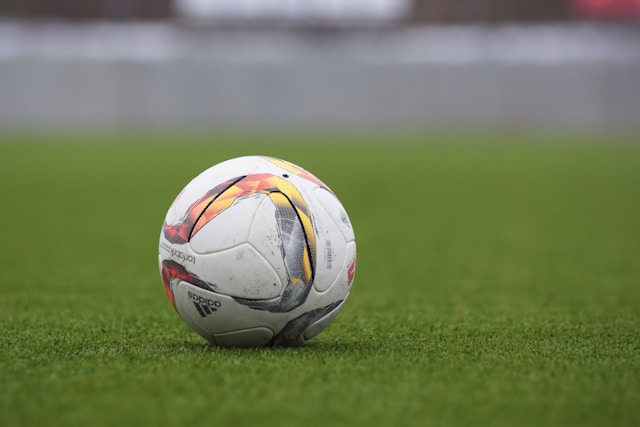
Whether you sprint the sand at Kamaole Beach, chase a soccer ball at the South Maui fields, or simply push hard on a Haleakala trail, a hamstring strain can stop your active island lifestyle in a heartbeat. That sudden grab in the back of the thigh, the tightness that lingers for weeks, and the frustrating habit these injuries have of coming back all point to one truth: hamstrings are stubborn healers. At Shockwave Maui, Dr. Caleb J. Craig, known around Kihei as Dr. 808, offers SoftWave TRT (Tissue Regeneration Technology) as a non-invasive way to support the body's own repair process so you can get back to the activities you love.
Request an Appointment at Shockwave Maui
What a Hamstring Strain Actually Is
Your hamstrings are a group of three muscles running down the back of your thigh, connecting your hip to your knee. They power almost every explosive movement: running, jumping, decelerating, and climbing. A strain, often called a pull, happens when these muscle fibers are stretched beyond their limit or overloaded during a rapid contraction. Because the hamstrings work hardest during high-speed and change-of-direction movements, they are among the most commonly injured muscles for active people and weekend athletes alike.
Clinicians typically describe hamstring strains in three grades, which helps set realistic expectations for recovery:
- Grade 1 (mild): A small number of muscle fibers are overstretched or slightly torn. You may feel tightness or a dull ache, with minimal loss of strength. Walking is usually possible, though sprinting feels risky.
- Grade 2 (moderate): A partial tear involving more fibers. Pain is sharper, swelling and bruising may appear, and you often notice weakness or a limp. This grade tends to keep people sidelined the longest relative to how they feel day to day.
- Grade 3 (severe): A significant or complete tear of the muscle. This can involve sudden, intense pain, obvious swelling, bruising, and difficulty using the leg. Grade 3 injuries may require medical imaging and, in some cases, surgical evaluation.
Why Hamstring Injuries Nag and Re-Injure
Few injuries earn their reputation for lingering the way hamstring strains do. If you have ever felt like your pull healed only to tweak it again on the next run, you are not imagining it. Several factors work together to make these injuries so persistent.
Scar Tissue That Does Not Match the Original Muscle
When muscle fibers tear, the body patches the gap with scar tissue. Scar tissue is functional, but it is not identical to healthy, elastic muscle. It tends to be stiffer and less pliable, which can create a weak link where the flexible muscle meets the rigid repair. That transition zone is often exactly where re-injury occurs, because it does not stretch and load the way the surrounding tissue does.
Limited Blood Flow to Deep Tissue
Muscle heals best when it receives a steady supply of oxygen, nutrients, and repair cells through the bloodstream. Deep muscle and the tissue around a healing tear can have limited circulation, which may slow the repair process and leave the area vulnerable for longer than expected. Sluggish circulation is one reason a hamstring can feel fine at rest yet fail under the demand of a sprint.
Returning to Full Speed Too Soon
Because a mild pull can feel better within days, many active people rush back before the deeper tissue has rebuilt its strength. On Maui, where the trails, waves, and courts are always calling, the temptation to return early is real. Loading a partially healed hamstring at full intensity is one of the fastest ways to turn a small strain into a recurring problem.
Underlying Weakness and Imbalance
Tight hips, weak glutes, and a strength imbalance between the front and back of the thigh can all keep overloading the hamstrings. If these contributors are never addressed, the muscle keeps taking punishment it was never designed to absorb alone.
How SoftWave Therapy Supports Hamstring Recovery
SoftWave TRT is a non-invasive therapy that uses electrohydraulic, spark-generated broad-focused acoustic waves. Delivered through a patented parabolic reflector, these waves are unique because they spread energy across a broad area and penetrate deep into tissue, rather than concentrating it in a single narrow point. That depth matters for a muscle group as large and deep-seated as the hamstrings. The goal is not to mask pain but to stimulate the body's own healing cascade in the injured tissue.
In plain language, SoftWave therapy is designed to support recovery in several ways:
- Activating resident stem cells: The waves are designed to stimulate and recruit the body's own repair cells toward the injured area.
- Encouraging angiogenesis: SoftWave may help promote the growth of new blood vessels, which can improve circulation and temporarily increase blood flow to tissue that needs oxygen and nutrients.
- Supporting collagen and cell renewal: The therapy is designed to encourage cell proliferation and healthy collagen production, key building blocks for rebuilding stronger, more resilient muscle tissue.
- Modulating inflammation: SoftWave may help the body manage its inflammatory response so the healing environment stays productive.
- Clearing damaged cells: The process is designed to help clear out damaged and worn-out cells so healthier tissue can take their place.
For a hamstring where scar tissue and limited blood flow are the main obstacles, these mechanisms target the exact reasons the injury tends to nag. Improved circulation and a more organized repair process may help the tissue heal in a way that feels less brittle and more like the flexible muscle it replaced. Many patients report feeling looser and more confident in the leg as a series progresses, though individual results vary.
What to Expect at Shockwave Maui
One of the biggest advantages of SoftWave therapy is how straightforward it is. There are no needles, no drugs, no surgery, and no downtime. Each session runs roughly 10 to 15 minutes, and most people return to their day immediately afterward. Dr. 808 typically recommends a series of sessions spread over about six to eight weeks, since tissue repair is a gradual biological process. Importantly, healing does not stop when the last session ends. The regenerative response can continue for weeks to months afterward, which is why patience with the full plan matters.
SoftWave is often used alongside smart rehabilitation. As the deep tissue is supported, Dr. 808 can guide you through progressive loading and address the hip, glute, and pelvic contributors that set the stage for re-injury in the first place. The aim is a hamstring that is not just pain-free at rest but genuinely ready for Maui-level activity.
If a lingering hamstring has kept you off the trails, the sand, or the field, this is the moment to give your body real support instead of hoping it fades on its own. Schedule your SoftWave evaluation with Dr. 808 in Kihei and take a smarter path back to full speed.
SoftWave Is Trusted by Those Who Push Their Limits
SoftWave technology has been studied at leading institutions and is used by clinicians who work with professional and collegiate athletes. For a recreational runner in South Maui or a competitive athlete, the appeal is the same: a non-invasive option designed to help tissue heal more completely, so you are less likely to keep reliving the same injury.
SoftWave therapy is not a guaranteed cure, and it does not replace medical advice or a proper diagnosis. A severe tear may need imaging or additional care. What SoftWave offers is a well-supported, drug-free way to encourage your hamstring to rebuild itself, addressing the scar tissue and circulation problems that make these injuries so frustrating.
Ready to Take the Next Step?
Do not let a nagging hamstring turn one bad step into a season of setbacks. Dr. 808 and the team at Shockwave Maui are ready to help you heal deeper and get back to the active island life you enjoy.
Request your SoftWave Therapy new patient visit online today
Contact Shockwave Maui
Shockwave Maui
2395 S Kihei Rd #202
Kihei, HI 96753
Phone: (808) 875-4357
Our Main Office Website: https://southmauichiropractic.biz/
‹ Back



 2395 S Kihei Rd #202, Kihei