
Blog
Surfing and Paddling Shoulder Injuries: How SoftWave Therapy Helps Maui Watermen Heal with Dr. 808

Why Maui Watermen End Up With Aching, Overworked Shoulders
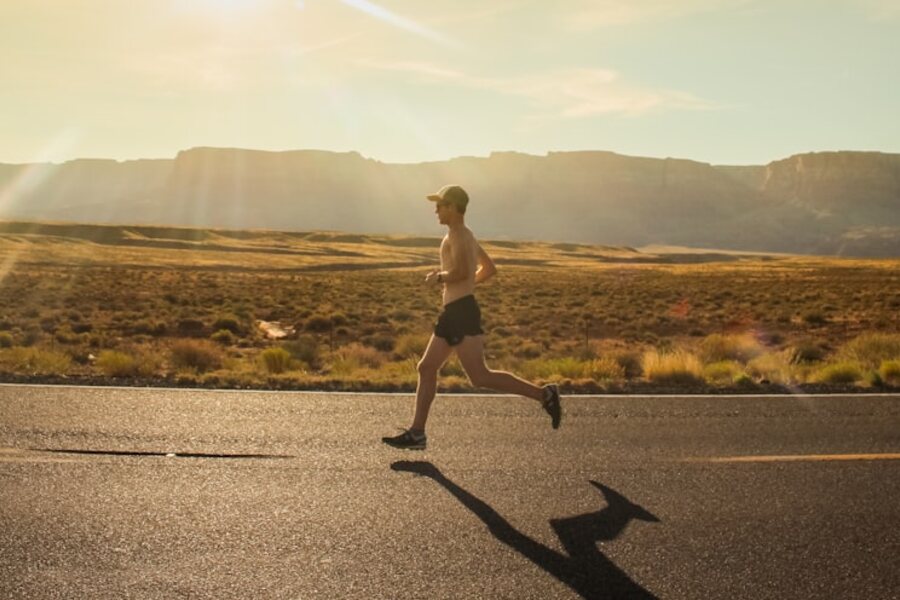
If you live for the water on Maui, your shoulder does a lot of the work. Paddling out through the shore break in Kihei, digging in for an outrigger run down the coast, popping up on a longboard, or grinding out miles on a stand-up paddleboard all ask the same joint to fire again and again. The shoulder is the most mobile joint in the body, which is exactly why it is also one of the easiest to overuse. When the paddling never really stops, small strains in the rotator cuff and deltoid can build into a nagging ache that follows you from the lineup to the pillow.
At Shockwave Maui, Dr. Caleb J. Craig, known around the island as Dr. 808, works with surfers, paddlers, and ocean-lovers who want to keep doing what they love without a cranky shoulder cutting the session short. SoftWave Tissue Regeneration Therapy (TRT) is a non-invasive option designed to support the body's own healing in overworked shoulder tissue, without needles, drugs, or surgery.
Request an Appointment at Shockwave Maui
Paddler's Shoulder: What Is Actually Going On
"Paddler's shoulder" is not one single injury. It is a catch-all term for the overuse problems that show up when the shoulder repeats the same loaded motion thousands of times. For watermen, a few patterns come up again and again.
Rotator Cuff Overuse
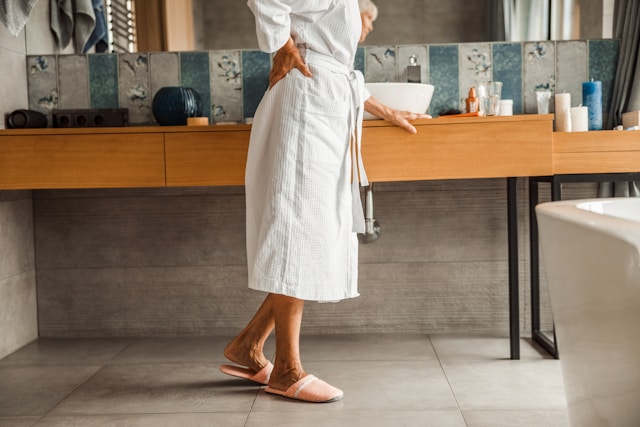
The rotator cuff is a group of four small muscles and their tendons that hold the ball of the shoulder centered in its socket and control fine movement. Every paddle stroke and pop-up asks these tendons to stabilize the joint under load. Over months of heavy water time, the tendons can become irritated, thickened, and slow to recover. This is tendinopathy, and it tends to build quietly until reaching overhead feels weak or sore.
Shoulder Impingement
Impingement happens when the soft tissue at the top of the shoulder gets pinched in the narrow space beneath the bony arch as you lift your arm. Paddlers spend a lot of time with the arm reaching forward and overhead, which is exactly the position that can compress those tissues. The result is often a sharp catch or pinch on the pop-up or on the reach phase of a stroke.
Deltoid and Postural Fatigue
The deltoid, the big muscle that caps the shoulder, does much of the pulling in SUP and outrigger paddling. Add the hunched, forward-rounded posture that many paddlers fall into, and the front of the shoulder tightens while the muscles between the shoulder blades get long and weak. That imbalance quietly changes how the joint tracks and adds to the wear.
Why Ocean Athletes Are Especially Prone
Maui makes it easy to be in the water almost every day, and that consistency is part of the problem. Overuse injuries are injuries of repetition and not enough recovery. A few factors stack the deck for local watermen:
- High stroke volume. A single downwind SUP run or long outrigger paddle can mean thousands of loaded strokes on the same side.
- Year-round conditions. There is no real off-season on Maui, so tissues rarely get an extended rest to fully rebuild.
- Asymmetry. Outrigger paddlers and surfers often load one side harder than the other, which can leave one shoulder chronically overworked.
- Powering through. Watermen are famously tough, and many keep paddling on a sore shoulder until the ache becomes hard to ignore.
Because tendons have a limited blood supply, they heal slowly. That is a big reason a paddling shoulder can stay stubborn for months even when you back off. The tissue simply is not getting the circulation it needs to repair at the pace you are stressing it.
How SoftWave Therapy Helps the Overworked Shoulder
SoftWave TRT uses electrohydraulic, spark-generated acoustic waves delivered through a patented parabolic reflector. This produces a broad-focused shockwave, which is different from the radial, electromagnetic, or piezoelectric devices you may have heard about. The broad-focused wave is designed to spread the energy across the tendon, muscle, and connective tissue of the shoulder and penetrate deep enough to reach the structures that take the beating from paddling.
Rather than masking pain, SoftWave is designed to prompt the body's own repair response in the treated area. In plain language, the therapy is intended to:
- Activate resident stem cells already present in the tissue and encourage them to migrate toward the areas that need repair.
- Promote angiogenesis, the growth of new small blood vessels, to improve circulation into tendons that normally get very little blood flow.
- Support cell proliferation and collagen production, which are the building blocks the body uses to rebuild strong, resilient tendon tissue.
- Modulate inflammation so the tissue can move out of a stalled, irritated state.
- Help clear damaged and worn-out cells so healthier tissue has room to form.
For a paddler's shoulder that has been stuck in a slow-healing cycle, that jump in circulation and repair signaling is exactly the kind of support the joint needs. SoftWave does not promise a cure, and it is not a replacement for a full medical evaluation, but many patients report that it helps them get moving again with less discomfort.
What a Visit With Dr. 808 Looks Like
Each SoftWave session is short, usually around 10 to 15 minutes, and there is no downtime afterward. You can typically head back to your day right after. Most people move through a series of sessions over roughly six to eight weeks, since tissue repair is a process rather than a one-time event. It is also worth knowing that the healing response continues to work for weeks and even months after your last session, as the body keeps rebuilding.
Dr. 808 starts by understanding your water routine, how the shoulder feels through a stroke or a pop-up, and where the ache lives. That picture guides where the therapy is applied and helps him tailor a plan around your goals, whether that is finishing a downwind run pain-free or simply sleeping on your side again.
Schedule your SoftWave shoulder evaluation with Dr. 808 today and start building a plan around your ocean lifestyle.
Staying in the Water: Prevention for Paddlers and Surfers
Care works best alongside smart habits. A few simple practices can lower your odds of the shoulder flaring up again:
- Warm up before you paddle out. A few minutes of arm circles, band pull-aparts, and gentle rotations wakes up the rotator cuff before it takes a load.
- Build the back of the shoulder. Rows, external-rotation work, and scapular exercises help balance out all the forward pulling that paddling and surfing demand.
- Mind your posture on land. Long hours hunched at a desk or over a phone reinforce the same rounded position that stresses the shoulder in the water.
- Vary your load. Mix session lengths, switch paddling sides when your sport allows, and give a sore shoulder real recovery days.
- Address aches early. A shoulder that whispers now is easier to help than one that has been screaming for a year.
Because SoftWave is non-invasive and drug-free, some watermen use it as a way to support a shoulder that is working hard and to stay ahead of a small problem before it sidelines them. Dr. 808 can help you decide where care fits in your routine.
Ready to Take the Next Step?
Do not let a nagging paddling shoulder keep you out of the water this season. A short SoftWave series with Dr. 808 may be the support your shoulder needs to keep surfing, paddling, and enjoying everything the Maui ocean has to offer.
Request your SoftWave Therapy new patient visit online today
Contact Shockwave Maui
Shockwave Maui
2395 S Kihei Rd #202
Kihei, HI 96753
Phone: (808) 875-4357
Our Main Office Website: https://southmauichiropractic.biz/
‹ Back


 2395 S Kihei Rd #202, Kihei