
Blog
The Science of Angiogenesis: How SoftWave Therapy Boosts Blood Flow to Heal, with Dr. 808
Why Blood Flow Is the Missing Piece in Stubborn Injuries on Maui
If you live an active life in Kihei, whether that means paddling out at Kamaole, hiking the upcountry trails, or simply keeping up with work and family, you expect your body to bounce back. So it is frustrating when a nagging shoulder, knee, or tendon injury refuses to heal no matter how much rest you give it. Very often the reason is not that you are doing something wrong. It is that the injured tissue is not getting enough blood. At Shockwave Maui, Dr. Caleb J. Craig, known across South Maui as Dr. 808, uses SoftWave Tissue Regeneration Technology (TRT) to address exactly that problem by helping the body build new circulation right where it is needed most.
This article explains a fascinating and often overlooked part of healing: angiogenesis, or the growth of new blood vessels. Understanding it helps make sense of why some injuries stall and how SoftWave therapy is designed to restart the process.
Request an Appointment at Shockwave Maui
What Is Angiogenesis, in Plain Language?
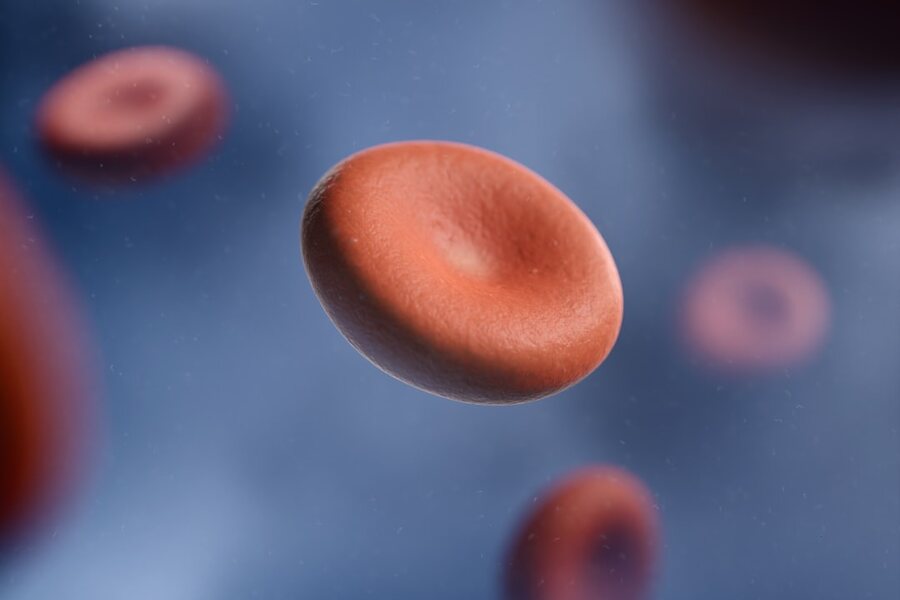
Angiogenesis is your body's natural ability to sprout new blood vessels from existing ones. Think of the vascular system as a road network. Your arteries are the highways, and the tiniest vessels, called capillaries, are the local streets that deliver goods to every neighborhood. When tissue is healthy, that network is dense and busy, dropping off oxygen and nutrients and hauling away waste around the clock.
When you are injured, the local road network is often damaged or simply too sparse to handle the repair job. The body responds by building new capillaries, extending fresh streets into the injured area so that healing supplies can reach the cells that need them. This is angiogenesis, and it is one of the most important events in the entire healing process.
Why Blood Flow Is Essential to Healing
Every stage of recovery depends on circulation. Here is what healthy blood flow delivers to an injured area:
- Oxygen, which cells burn as fuel to divide, rebuild, and do the hard work of repair.
- Nutrients and building blocks, including the raw materials used to make new collagen and connective tissue.
- Immune cells, which clear out debris and manage inflammation so healthy tissue can form.
- Waste removal, carrying away the byproducts of injury and cellular cleanup that would otherwise stall progress.
When blood flow is limited, all of these deliveries slow down. The tissue may enter a kind of holding pattern where it is not getting worse but is not truly healing either. This helps explain why tendons, ligaments, and cartilage are notoriously slow to recover: these tissues naturally have a poor blood supply to begin with, so an injury there can linger for months.
Why Some Injuries Get Stuck
Several factors can leave an area starved for circulation. Scar tissue from an old injury can crowd out healthy vessels. Chronic inflammation can disrupt normal blood flow. Age gradually reduces the body's efficiency at building new vessels. And areas that were poorly supplied to begin with, like the inside of a joint or the core of a thick tendon, simply do not have much of a road network to work with. The result is a stubborn injury that seems immune to rest, ice, and time.
How SoftWave Therapy Helps Restore Circulation
SoftWave TRT is a non-invasive therapy that uses broad-focused acoustic waves to reach deep into tissue and prompt the body's own repair systems. It is worth being precise about what makes it different. SoftWave generates its waves electrohydraulically, using a spark that creates an acoustic pulse, then spreads that energy through a patented parabolic reflector. This produces a broad-focused wave rather than the narrow or shallow patterns of other devices, allowing the energy to cover more tissue and travel to meaningful depth.
When those waves pass through the treatment area, they create tiny, controlled mechanical forces on the cells and vessels. This mechanical signal is thought to nudge the body into action. In plain language, here is what SoftWave therapy is designed to encourage:
- New blood vessel growth (angiogenesis), helping to extend fresh capillaries into areas that were undersupplied.
- A temporary increase in local blood flow, bringing more oxygen and nutrients to the injured tissue.
- Activation and migration of the body's own resident stem cells, which support tissue repair.
- Cell proliferation and collagen production, the raw material for rebuilding tendons, ligaments, and other connective tissue.
- Modulation of inflammation, helping shift the area out of a stuck, irritated state.
- Clearance of damaged and worn-out cells, clearing the way for healthier tissue.
None of these effects happen in isolation. Improved circulation and new vessel growth feed the other processes, because every cell involved in repair needs a steady supply line. By helping to rebuild that supply line, SoftWave aims to give the body what it needs to finish a job it started but could not complete on its own.
The Healing Cascade Continues After Treatment
One of the most encouraging aspects of this approach is that the work does not stop when the session ends. SoftWave is designed to jump-start a biological cascade, and that cascade keeps unfolding for weeks and even months afterward as new vessels mature and new tissue forms. Patients are not relying on the machine to do the healing. The machine is a signal, and the body does the building.
What a Course of SoftWave Care Looks Like
Sessions at Shockwave Maui are straightforward and comfortable. There are no needles, no drugs, no surgery, and no downtime. A typical session runs about 10 to 15 minutes, and most people describe the sensation as a rapid tapping or pulsing over the treatment area. Because it is non-invasive, you can usually head right back to your day, whether that means the beach, the office, or the trail.
Dr. 808 generally recommends a series of sessions spread over roughly six to eight weeks. This spacing gives the angiogenesis and tissue repair processes time to build on each other. Many patients report gradual improvement across the series rather than an overnight change, which fits what we understand about how new blood vessels and new tissue actually form: steadily, over time.
SoftWave technology has been studied at leading institutions and is used by clinicians who work with professional and collegiate athletes. That said, results vary from person to person, and SoftWave therapy is not a guaranteed cure. It is one tool, used thoughtfully, to support the body's natural ability to heal.
If a lingering injury has kept you sidelined and you are curious whether better circulation is the missing piece, this is a great moment to talk with Dr. 808. Schedule your SoftWave consultation at Shockwave Maui and get a clear, honest assessment of whether this approach fits your situation.
A Responsible Word on Expectations
SoftWave therapy is designed to support and stimulate the body's own healing systems, and many patients report meaningful relief and renewed function. It does not replace medical advice, and it is not right for every condition or every person. Dr. 808 will review your history, examine the area of concern, and help you understand what SoftWave may and may not offer in your case. Honest expectations are part of good care.
Ready to Take the Next Step?
If you have been waiting for a stubborn injury to heal on its own, improving blood flow to that area may be exactly what has been missing. Reach out today and let Dr. 808 help you decide whether SoftWave therapy is the right fit.
Request your SoftWave Therapy new patient visit online today
Contact Shockwave Maui
Shockwave Maui
2395 S Kihei Rd #202
Kihei, HI 96753
Phone: (808) 875-4357
Our Main Office Website: https://southmauichiropractic.biz/
‹ Back


 2395 S Kihei Rd #202, Kihei