
Blog
TMJ and Jaw Pain Relief in Maui: How SoftWave Therapy May Help with Dr. 808
Why Does My Jaw Click, Ache, and Feel So Tight? TMJ Relief on Maui
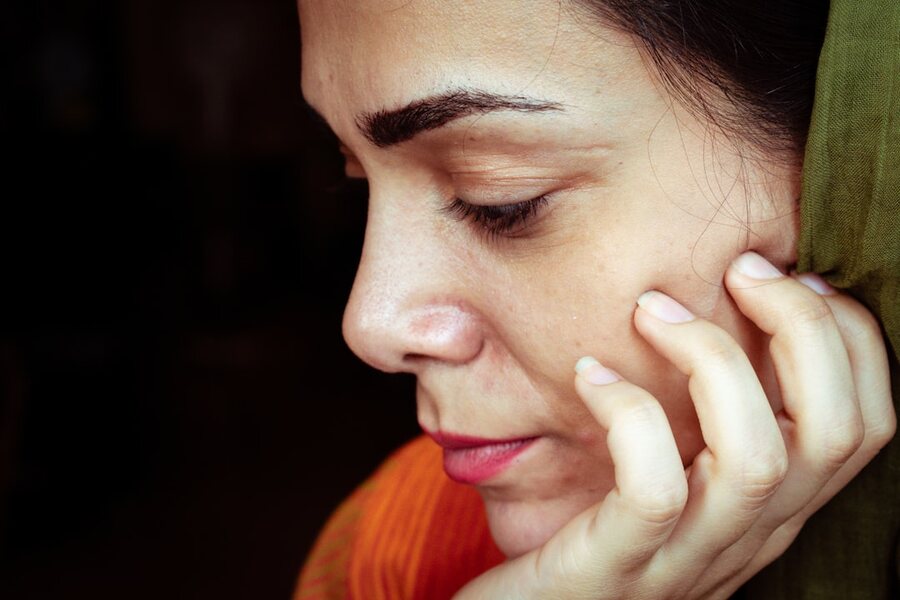
If you live in Kihei or anywhere across Maui and you wake up with a sore jaw, hear a click every time you take a bite, or feel a dull tension creeping up into your temples, you are not imagining it. Jaw pain related to the temporomandibular joint, commonly called TMJ, is one of the more frustrating problems people face because it touches so much of daily life: eating, talking, yawning, and even sleeping. At Shockwave Maui, Dr. Caleb J. Craig, known locally as Dr. 808, works with patients who are tired of living around their jaw pain and want to understand what is actually driving it. One of the tools he uses is SoftWave TRT, a non-invasive therapy that may help support the muscles and soft tissue around a struggling jaw.
This article walks through what TMJ discomfort actually is, why it is so often muscular, and how SoftWave Therapy may fit alongside your dental and medical care.
Request an Appointment at Shockwave Maui
What TMJ Disorder Really Involves
The temporomandibular joint is the hinge that connects your lower jaw to your skull, sitting just in front of each ear. It has to slide and rotate at the same time, and it gets used constantly all day. When people talk about "TMJ" as a problem, they are usually describing temporomandibular disorder, or TMD, a group of conditions affecting the joint itself, the muscles that move it, or both.
Common signs that bring people into the office include:
- A clicking, popping, or grating sound when opening or closing the mouth
- Tightness or fatigue in the jaw, especially after chewing or talking
- Aching around the ears, cheeks, or temples
- Headaches that seem to start at the sides of the head
- A jaw that feels like it catches or locks briefly
- Tenderness in the muscles along the jawline and up toward the temples
Not everyone has all of these, and symptoms can come and go. What tends to unite them is that the discomfort is often muscular. The joint may get the blame, but the muscles that control it are frequently where the tension and pain actually live.
Why Jaw Pain Is So Often a Muscle Problem
The muscles that close and move your jaw, especially the masseter and temporalis, are powerful and hardworking. When they are overloaded, they can develop tight bands and trigger points that refer pain into the jaw, the ear region, and the head. This is a big reason so many people with jaw complaints also report headaches: the muscles are strained, and that strain radiates.
Several everyday factors feed into this muscular overload:
- Clenching and grinding. Many people clench during the day without realizing it and grind their teeth at night. Both keep the jaw muscles in a near-constant state of contraction.
- Stress. Emotional and physical stress tends to settle in the jaw. A busy season at work, poor sleep, or life pressures can quietly show up as a tight, aching jaw.
- Posture. Forward head posture from screens and desk work changes the mechanics of the neck and jaw, adding load to muscles that were never meant to carry it.
- Habitual overuse. Chewing gum constantly, biting nails, or favoring one side when eating can all overwork the tissue.
Because these habits build up over months and years, jaw pain often becomes stubborn. The tissue stays irritated, circulation can suffer, and the pattern reinforces itself. That is exactly the kind of lingering soft-tissue problem where a therapy aimed at supporting the muscles may be worth exploring.
How SoftWave Therapy May Help the Jaw Muscles and Surrounding Tissue
SoftWave TRT uses electrohydraulic, spark-generated acoustic waves delivered through a patented parabolic reflector. This produces a broad-focused shockwave, which sets it apart from radial, electromagnetic, and piezoelectric devices. The waves are designed to travel into tissue and encourage the body's own healing response rather than simply masking a symptom.
In plain language, SoftWave is designed to:
- Activate the body's resident stem cells and encourage them to migrate toward areas of strain
- Support angiogenesis, meaning the growth of new blood vessels that may improve circulation to tired, overworked tissue
- Encourage cell proliferation and collagen production, which are part of how connective tissue repairs and stays resilient
- Help modulate inflammation in the surrounding soft tissue
- Support the clearance of damaged or worn-out cells so healthier tissue has room to respond
For a jaw that is dealing with chronically tight, irritated muscles, the goal is to support the local tissue environment. Better circulation and a calmer inflammatory response may help the muscles feel less locked up. It is important to be measured here: SoftWave is not a cure for TMJ disorder, and it does not replace an evaluation of your bite, your teeth, or any underlying dental condition. What it may offer is a non-invasive way to support the muscular side of the problem.
What a Session Is Like
One of the reasons people appreciate SoftWave is how straightforward it is. There are no needles, no drugs, no surgery, and no downtime. A typical session runs roughly 10 to 15 minutes, and most people go through a series over about six to eight weeks. Because the therapy is designed to stimulate the body's own healing cascade, improvement can continue for weeks to months after the final visit. You can generally return to your day right away, which suits an active Maui lifestyle.
During your visit, Dr. 808 focuses the applicator on the muscles and soft tissue around the jaw and, when appropriate, the neck and upper shoulders, since those areas are often part of the same tension pattern.
Working Alongside Your Dental and Medical Care
TMJ disorder is genuinely multifactorial, and responsible care reflects that. Some jaw problems are driven by bite alignment, a dental appliance need, or issues that belong in a dentist's or physician's hands. SoftWave Therapy at Shockwave Maui is meant to complement that care, not compete with it. If you are already wearing a night guard or being evaluated for another cause, that work continues. Addressing the muscular tension is one piece, and coordinating with your other providers gives you the fullest picture.
If your jaw pain came on suddenly, followed an injury, or comes with symptoms like significant swelling, fever, or an inability to open or close your mouth, those warrant prompt medical or dental attention first.
If jaw tension, clicking, or those side-of-the-head headaches have been wearing on you, an evaluation is the sensible next move. Schedule your visit with Dr. 808 at Shockwave Maui and find out whether SoftWave Therapy may be a good fit for your situation.
What Many Patients Are Hoping For
People who come in for jaw concerns often describe the same goals: to chew a meal without wincing, to get through a workday without their temples throbbing, and to stop feeling like their jaw might catch mid-yawn. While outcomes vary and no result can be guaranteed, many patients report that supporting the surrounding muscles is a meaningful part of feeling more like themselves. SoftWave has been studied at leading institutions and is used by clinicians who work with professional and collegiate athletes.
The honest message is this: your jaw pain is real, it is often muscular, and there are non-invasive options worth discussing.
Ready to Take the Next Step?
You do not have to keep planning your meals and your day around a tight, aching jaw. Reach out to Shockwave Maui in Kihei, and let Dr. 808 evaluate whether SoftWave Therapy may help support the muscles behind your TMJ discomfort.
Request your SoftWave Therapy new patient visit online today
Contact Shockwave Maui
Shockwave Maui
2395 S Kihei Rd #202
Kihei, HI 96753
Phone: (808) 875-4357
Our Main Office Website: https://southmauichiropractic.biz/
‹ Back




 2395 S Kihei Rd #202, Kihei